
Second opinions
Unhappy with veneers from somewhere else?
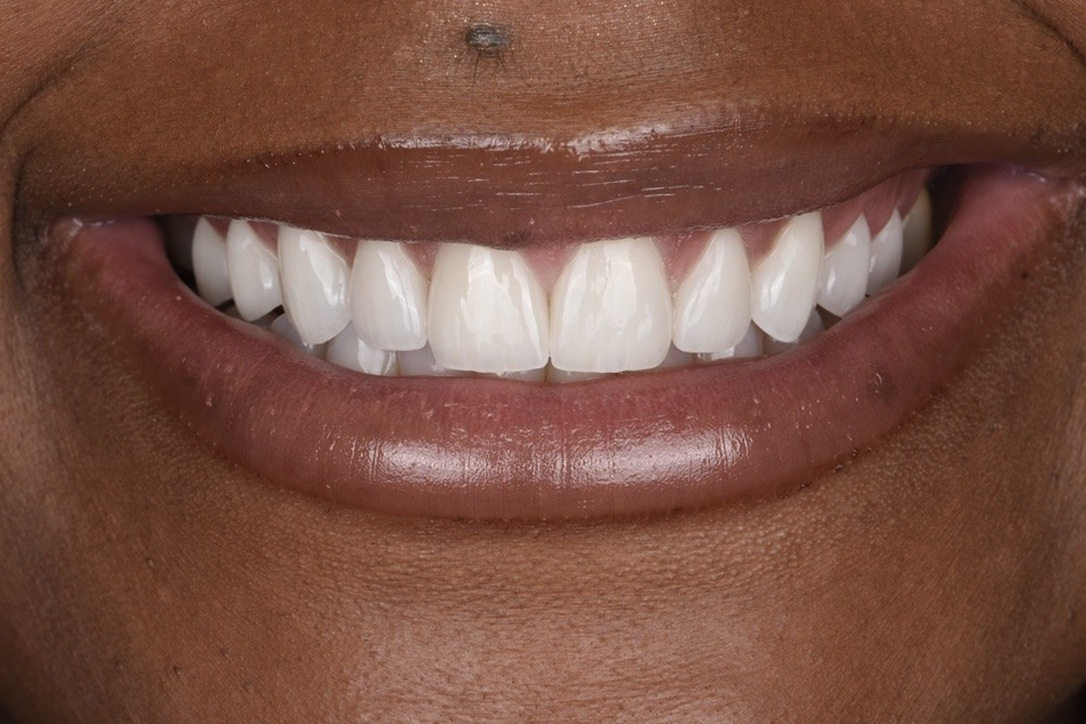
Bulky, opaque, too white, or simply aging: veneers that never looked right can be redesigned to finally belong to your face.
What brings people here
Some arrive with veneers that looked artificial from day one. Others have work that's aged, chipped, or darkened at the margins. Almost all of them say a version of the same thing: they knew something was off, even when they couldn't name it. Usually what's off is proportion, and proportion is exactly what a facially driven redesign fixes.
How replacement works
It starts with an honest assessment of what you have: what can be kept, what should change, and what the previous work got right. Then the redesign follows the same facial study every Eden case gets, so the second version is the one that should have existed the first time.
What commonly goes wrong the first time
The recurring problems tend to fall into a few categories: veneers made too opaque or too uniformly white, so they look like a row of teeth rather than a set of individual ones; edges and shapes copied from a photo or a chart rather than measured against the patient's own face and lips; margins at the gumline that were never quite matched, leaving a visible line as gums shift slightly over time; and proportions that were correct in isolation but wrong for that person's particular symmetry or profile. None of these are unusual mistakes. They're the predictable result of skipping the design step this practice treats as mandatory.

Who this is, and isn't, for
This applies to anyone with existing veneers or bonded restorations that don't look or feel right, regardless of where the original work was done. It's not a fit for someone who simply wants a different look from veneers that are actually well made; that's more a conversation about aesthetic preference than a redesign. And it isn't a substitute for addressing an underlying issue, like unmanaged grinding or active gum disease, that would undermine new work the same way it may have undermined the old.
What removing old veneers involves
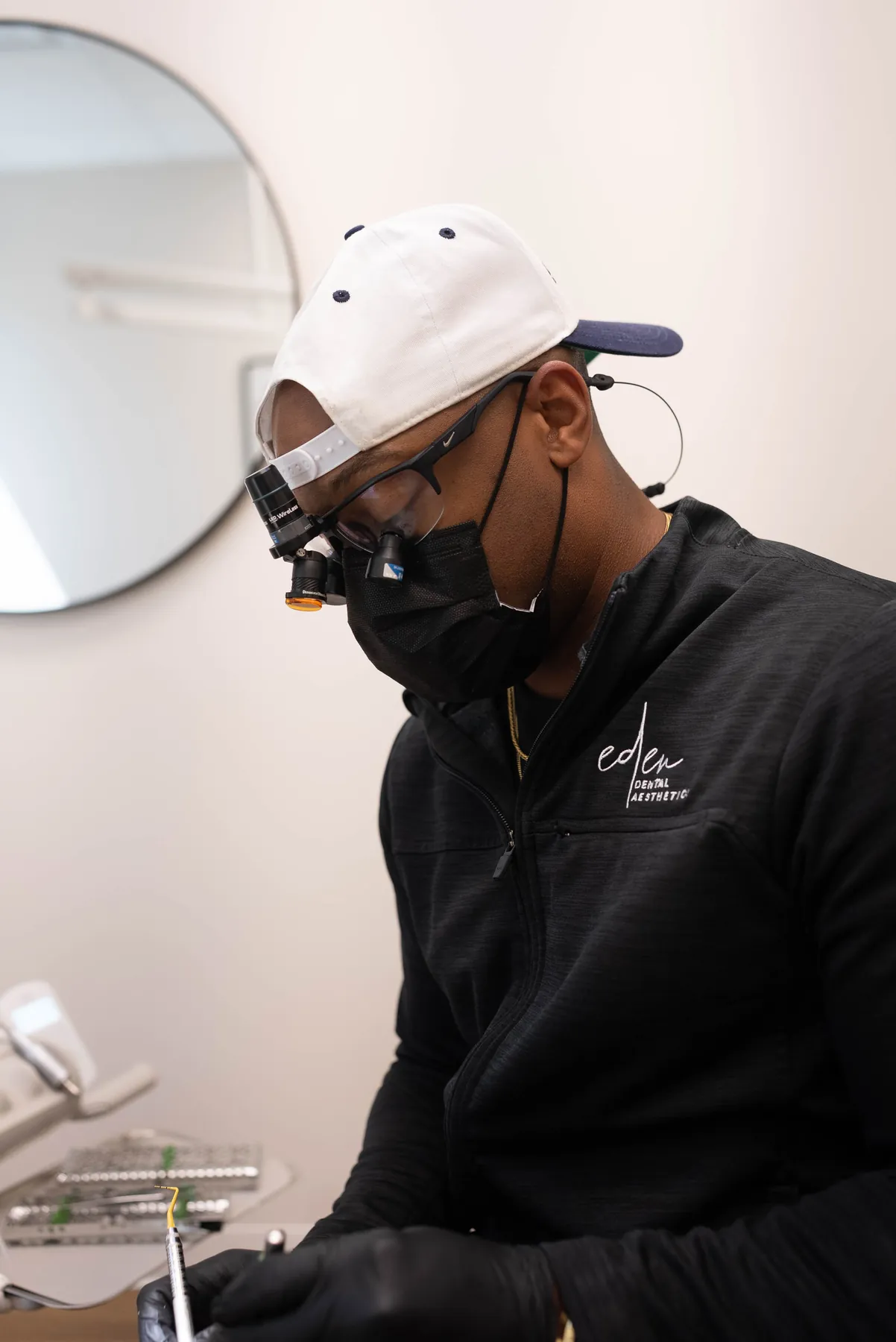
Existing veneers are removed carefully to avoid unnecessary loss of the natural tooth structure underneath, since that structure has already been altered once and needs to be treated conservatively the second time. What that natural tooth looks like once the old veneer is off, how much sound structure remains, how the margin was originally prepared, is part of what an assessment has to evaluate before a new plan is proposed. In some cases it also reveals decay or other issues that were hidden under the old restoration, which then has to be addressed before new veneers can be placed.
When replacement isn't the only option
Not every disappointing result requires starting over. Minor color mismatch or a single chipped edge can sometimes be improved with polishing, contouring, or targeted bonding rather than full replacement. Whether that's realistic in a given case depends on the specific problem, which is exactly what an assessment is for, rather than assuming the most involved fix is automatically the right one.
Honest answers
You'll hear what can be improved, what it involves, and, when it's true, what should be left alone. A second opinion here costs you a conversation, and you'll leave knowing exactly where you stand.
Questions worth asking at a consultation
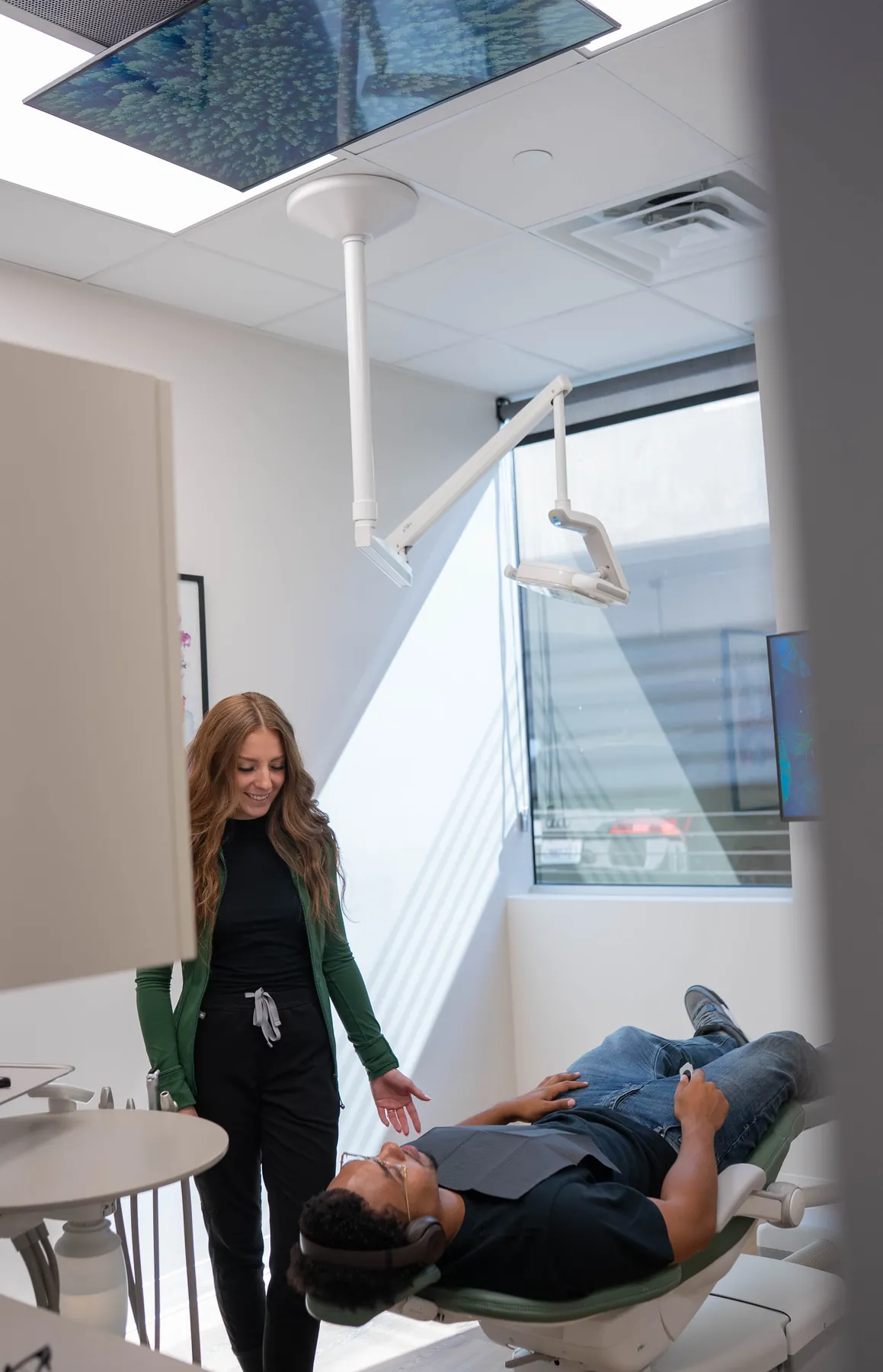
What specifically looks or feels wrong about my current veneers, in your assessment? Can any of this be improved without full replacement? What's different about how the new design will be planned compared to how the original likely was?
A patient story
A full smile redesign after veneers that weren't working.
He came in with veneers placed over root canal treated teeth that weren't working well, found Dr. Wright on Instagram, and had his whole smile redesigned after an in depth consultation.
A little clarity
Questions, thoughtfully answered.
Can old veneers be removed safely?
Yes, with a conservative approach that protects the tooth underneath. The assessment tells us what's beneath the existing work before anything is decided.
Will replacements look different from my old veneers?
That's usually the goal. The difference between veneers that look like veneers and veneers that look like you is design, and design is what changes the second time.
How long does replacement take?
Comparable to a first veneer case, typically two to three visits across three to four weeks. Your exact timeline is mapped at the consultation.
Something else on your mind? Talk with our team
Second opinions, in the wild


Begin with a conversation about what's possible.
Reserve Your ConsultationFacially driven aesthetics
A smile that belongs to you.
Begin with a conversation about what's possible.