
The signature
Before anything is decided, the face is studied.
Smile Design is the method behind everything Eden does. It's not a procedure you choose so much as the reason the procedures here turn out differently.
On video
Dr. Wright explains the approach.
In this video, Dr. Wright talks about designing veneers that are facially driven, natural looking, and minimally invasive.
The problem it solves
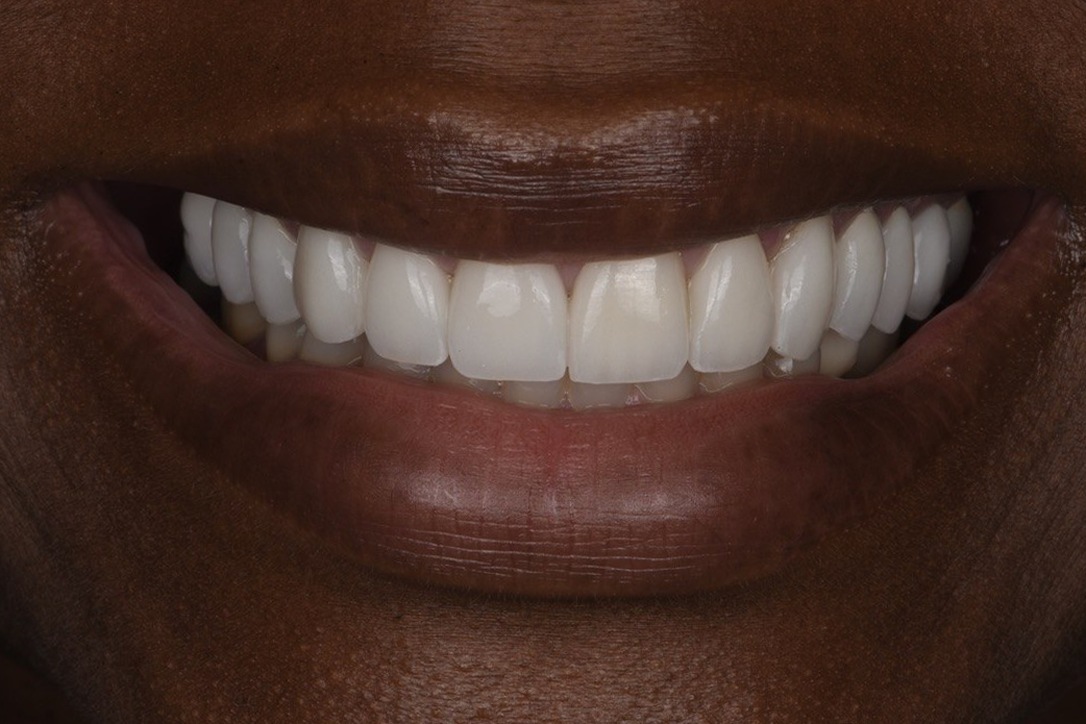
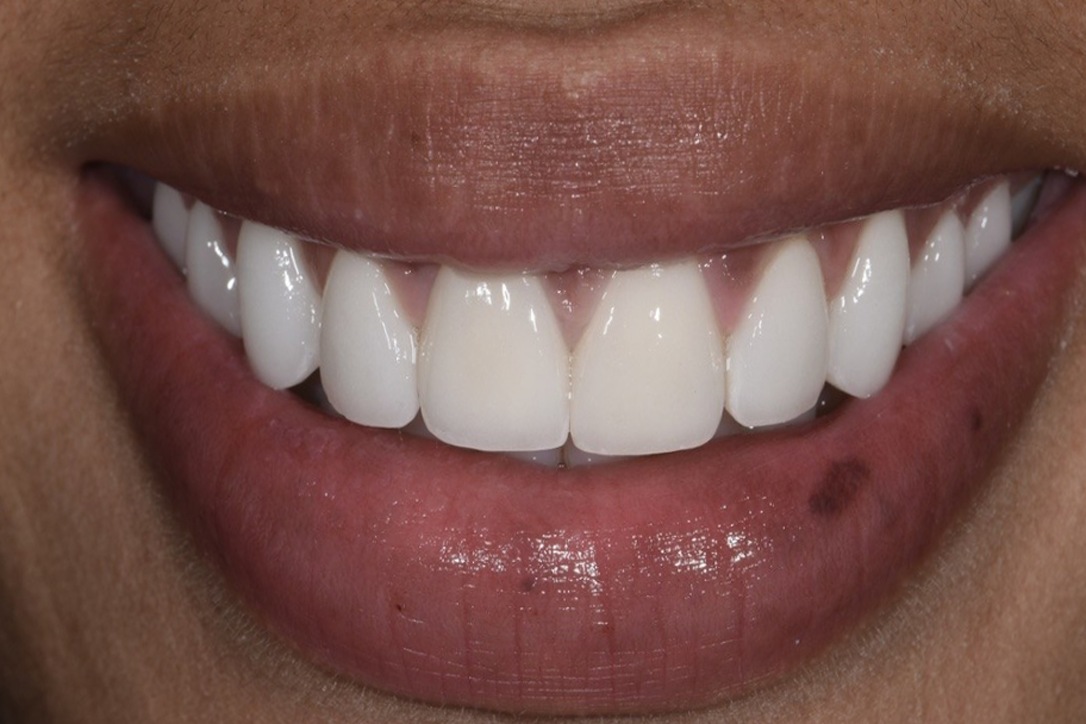
Most cosmetic dentistry starts with the teeth: whiter, straighter, more even. That approach can produce a smile that looks correct in a mirror and still feels slightly wrong on camera or in conversation, because it was never measured against the face carrying it. Teeth that are objectively well made can still look borrowed if they don't match how someone's lips move, how their face is balanced, or how much actually shows when they talk rather than pose. Smile Design exists to catch that mismatch before it's built into porcelain, by treating the face as the reference point for every decision rather than an afterthought.

What we study
How the process unfolds
The study comes first: photographs and measurements taken at rest, mid-speech, and at full smile, since a face rarely looks the same in all three. From there, a digital design is built and shown before any tooth is touched, so proportions, shape, and character can be discussed and adjusted while changes still cost nothing. Only once that design is approved does treatment planning begin, which is why the sequence itself is part of what makes the outcome predictable rather than a gamble.
Planning meets artistry
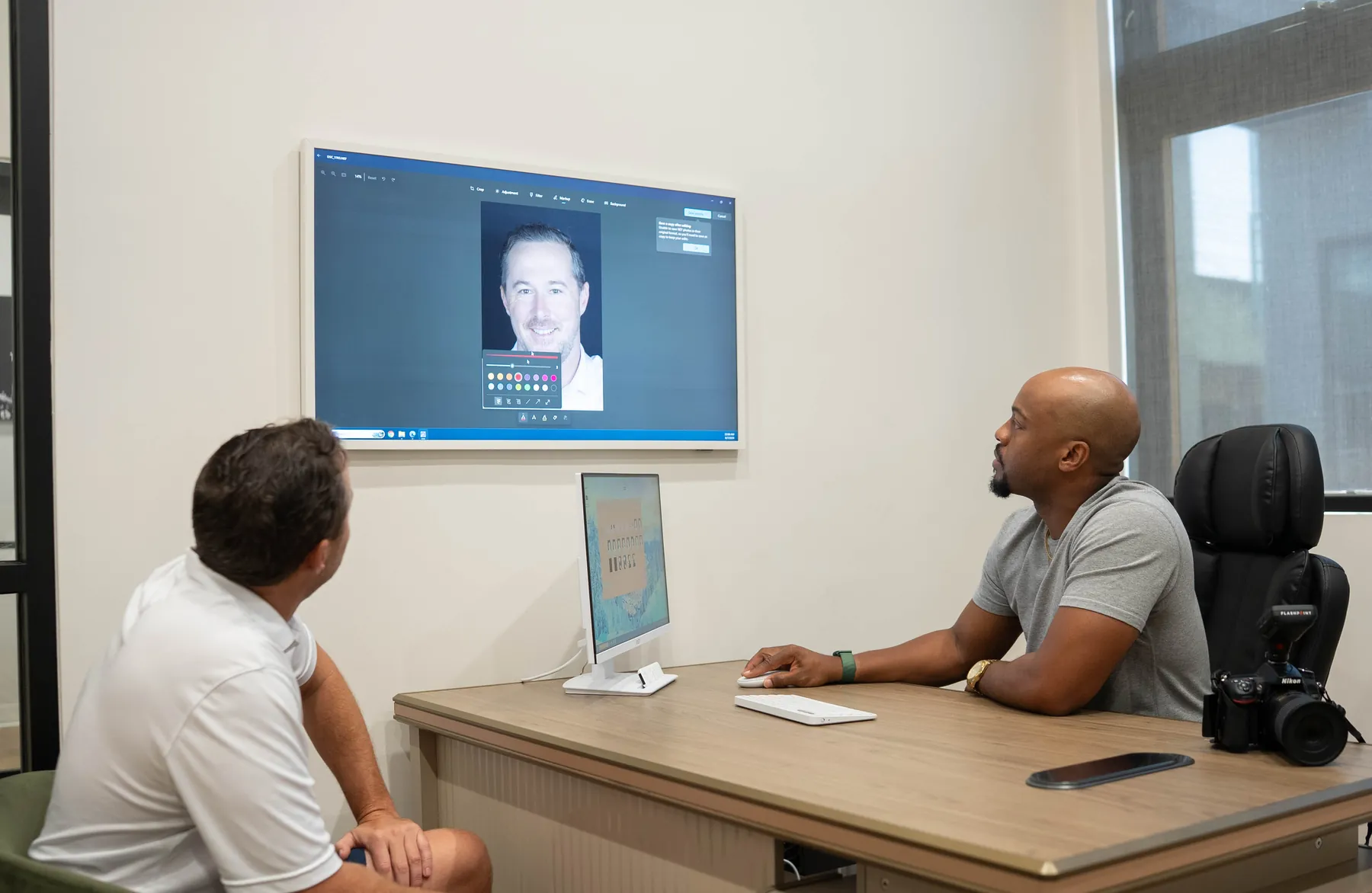
Digital planning makes the design precise: imaging, measurement, and previews you can see before anything begins. Artistic judgment makes it yours: the decisions about character, warmth, and restraint that no software makes. Eden was built on the belief that neither is enough alone. Software can tell you that two teeth are the same length; it can't tell you whether identical length actually looks right on an asymmetric face, and it's that second judgment that separates a technically correct plan from a convincing one.

Who this approach serves best
Facially driven design matters most when more is at stake than a single tooth: a full arch of veneers, a smile that will be visible in photos and video for years, or a case where previous work already missed the mark. It matters less for a single, isolated repair where the surrounding teeth and face aren't part of the conversation. Part of an honest consultation is being told which situation you're actually in.
Honest trade-offs
A design-first approach takes more time up front than picking a shade and a shape off a chart. There are more conversations, more previews, and more chances to change your mind before treatment starts, which is the point, but it does mean the process itself moves at a more deliberate pace than a same-day fix. Patients who want the fastest possible turnaround should know that going in.
Results that age well
Trends photograph well for a season. Proportion photographs well for a lifetime. Every design decision here is tested against one question: will this still look right in ten years? If the answer isn't yes, it doesn't happen.

Questions worth asking at a consultation
What will actually change about how my face reads, not just how my teeth look? Can I see the design before anything is finalized, and how much can still change at that stage? What happens if I want to adjust something after seeing the preview?
A patient story
Invisalign first, then the cosmetic work.
After being told elsewhere that nothing could be done about her front teeth, she had Invisalign first and then the cosmetic work, and talks about Dr. Wright's communication and precision throughout.
Facially driven aesthetics
A smile that belongs to you.
Begin with a conversation about what's possible.