
Porcelain veneers · Dallas Fort Worth
Veneers designed for the face they'll live in.
Custom-crafted porcelain, digitally planned and artistically finished by Dr. Chris Wright, so the result feels completely natural and completely yours.
Who veneers are for
Veneers answer situations more than they answer flaws: color that whitening can't reach, shape or length you've never loved, small gaps or unevenness, edges worn by years of use. If any of that sounds familiar, veneers may be the most direct path to the smile you've pictured.

The Eden difference
Anywhere can make teeth whiter. The harder work is making veneers undetectable, and that's a design problem before it's a dental one. Yours are planned around your lip dynamics, facial proportions, and natural tooth character, then crafted by a specialist ceramist working to that design, so the result reads as you on your best day rather than as dental work.
Who they're not the right answer for
Veneers change the surface and shape of a tooth; they don't correct a bite that's significantly out of alignment, and they aren't the right first step for active gum disease or untreated decay, both of which need to be addressed before cosmetic work has anything stable to sit on. Someone who grinds their teeth heavily at night can still be a candidate, but that habit needs to be managed alongside the veneers, not ignored. Part of a proper consultation is ruling these things in or out before design begins, not after.

The process
It starts with a consultation and a facial study, followed by a digital design you'll see and shape before anything is final. Teeth are prepared conservatively, temporaries let you live with the design, and the finished veneers are placed and refined by Dr. Wright himself. Porcelain veneer cases typically run two to three visits across three to four weeks, though your exact timeline is confirmed at your consultation.
What preparation actually involves
Traditional preparation removes roughly 0.3 to 0.7mm of enamel from the front of the tooth, about the thickness of a fingernail, to make room for the porcelain and give it something to bond to. That step is why the decision is treated seriously rather than casually: enamel removed this way doesn't grow back, and the choice to prepare a tooth should follow real design work, not precede it. Minimal-prep and no-prep veneers are offered in selected cases where tooth position and the planned result allow it, and whether that applies to you is something a consultation will answer honestly rather than assume.

What the adjustment period is like
There's no real downtime after veneers are placed, but there is usually a short adjustment window: temporary sensitivity to hot or cold, a slightly different feel against your tongue and lips, and a day or two of getting used to a new bite pattern before it feels unremarkable. Most patients describe this as minor and short-lived rather than disruptive.

Longevity and care
With good care, high-quality porcelain veneers typically last ten to fifteen years or longer. They're cared for like natural teeth: brushing, flossing, and regular visits, with no special maintenance routine. Porcelain resists staining far better than natural enamel, but the cement line at the gum edge and any exposed natural tooth can still be affected by heavy coffee, red wine, or tobacco use over time, which is one reason regular checkups matter even when nothing feels wrong.
How veneers compare to the alternatives
Whitening changes color but not shape, and it has a ceiling: it won't close a gap or lengthen a worn edge. Bonding is more conservative and reversible but generally less durable and more prone to staining over the years than porcelain. Orthodontics or clear aligners move teeth into better position but don't change their color or surface shape. Veneers sit at the more permanent, more involved end of that spectrum, which is exactly why they're worth getting right the first time rather than treating as an easy fix.
On video
Porcelain veneers, on video.
A patient story
Three options, clearly explained.
Referred by her previous dentist for white spots on her front two teeth, she was given three options with timing and cost for each, and chose veneers on her front four teeth.
A little clarity
Questions, thoughtfully answered.
Will they look natural?
That's the entire point of designing them around your face. The standard here isn't whiter, it's undetectable, and the design process exists so you can see and approve exactly how natural looks before treatment begins.
How long do veneers last?
Typically ten to fifteen years or longer with good care. Materials matter, but so does design, since veneers planned in proportion age more gracefully.
Does it hurt?
Treatment is gentle and conservative, and most patients are surprised how comfortable the process is. You'll know exactly what to expect before anything begins.
How many veneers will I need?
It depends on your smile and how much of it shows when you speak and laugh, which is one of the things the facial study answers. Some patients need two, others eight or more, and the design tells us honestly.
What does it cost?
Every case is custom, so your exact investment is reviewed privately at your consultation, and you'll leave with clear numbers rather than a range that means nothing. Financing is available through Cherry.
I don't live in Dallas. Can I still come?
Yes. Consultations can begin virtually, and treatment visits are planned so out-of-town patients travel as few times as possible.
Something else on your mind? Talk with our team
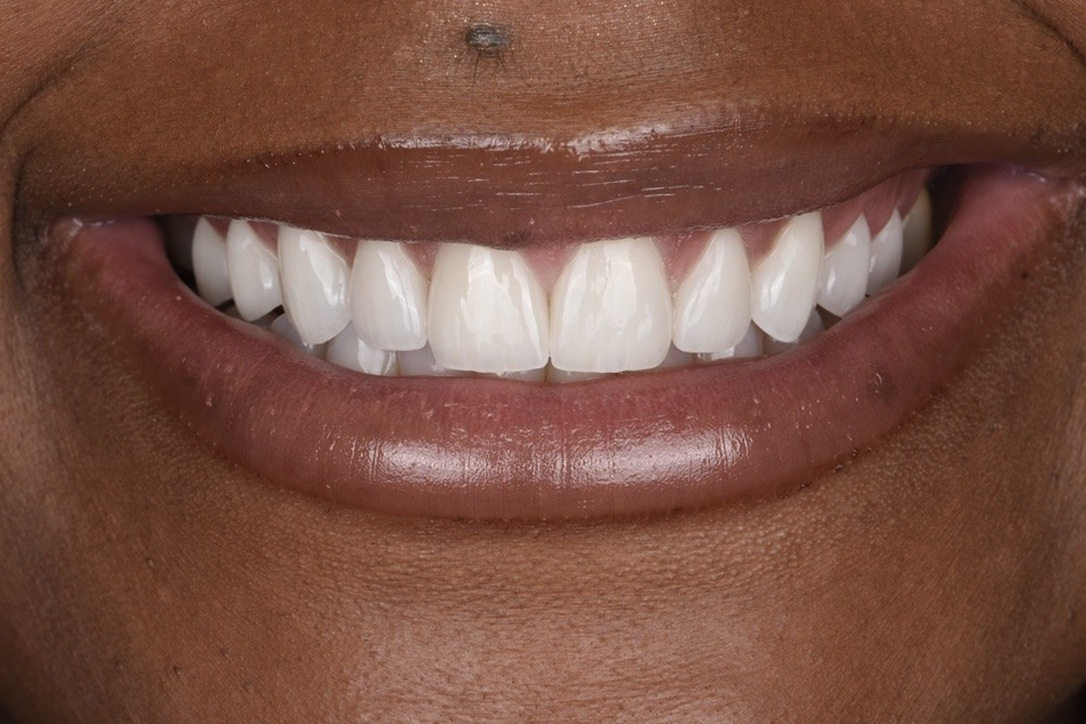
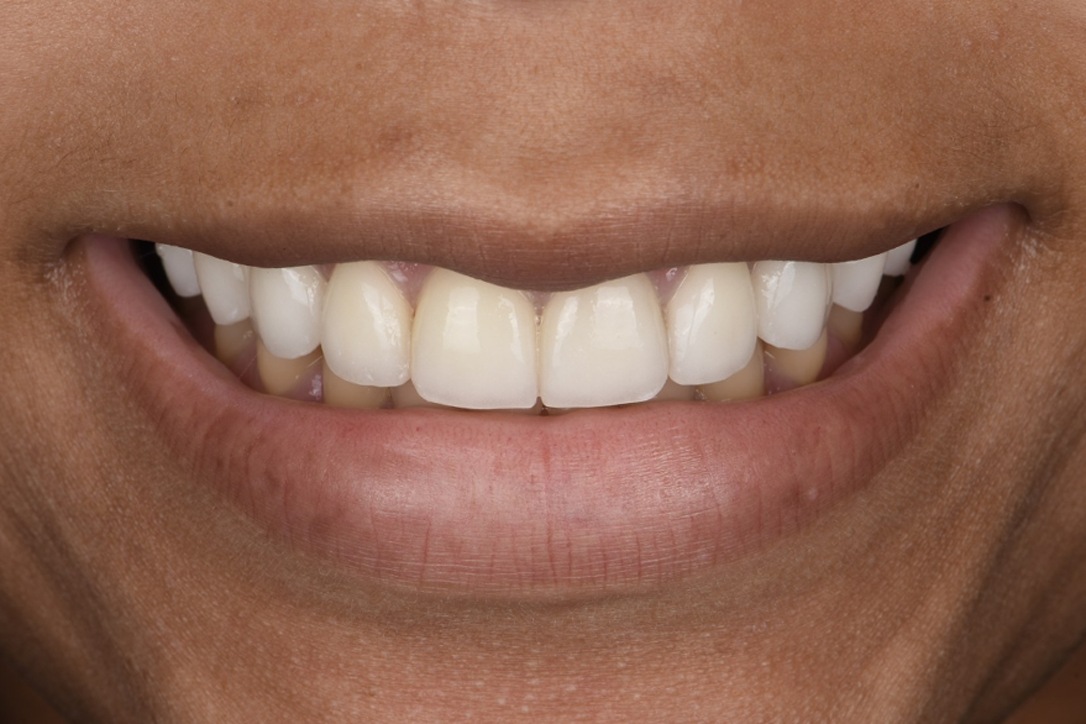
Veneers, in the wild

Begin with a conversation about what's possible.
Reserve Your ConsultationFacially driven aesthetics
A smile that belongs to you.
Begin with a conversation about what's possible.